
Starting a Home Apothecary From Your Kitchen Herbs
The best time to cut herbs at Rosemary Road is early in the morning, once the dew has dried but before the Highveld sun has had a chance to wilt them. I go out with a basket and a pair of scissors, cut what is ready, and by the time the kettle has boiled the kitchen table is covered in rosemary, mint, oregano and basil waiting to be sorted. Some of it goes into the pot that evening, and the rest becomes the beginning of a small home apothecary.
Drying bundles, infused oils and herbal teas, with plenty of labels and a little patience
The best time to cut herbs at Rosemary Road is early in the morning, once the dew has dried but before the Highveld sun has had a chance to wilt them. I go out with a basket and a pair of scissors, cut what is ready, and by the time the kettle has boiled the kitchen table is covered in rosemary, mint, oregano and basil waiting to be sorted. Some of it goes into the pot that evening, and the rest becomes the beginning of a small home apothecary.
A home apothecary sounds far grander than it is, and for most of us it begins as a corner of the kitchen cupboard, with a few jars of dried herbs for tea and a bundle of something fragrant hanging behind the pantry door. Everything here is about tradition and fragrance for your own household, and none of it is medicine or medical advice.
Begin with the herbs you already cook with
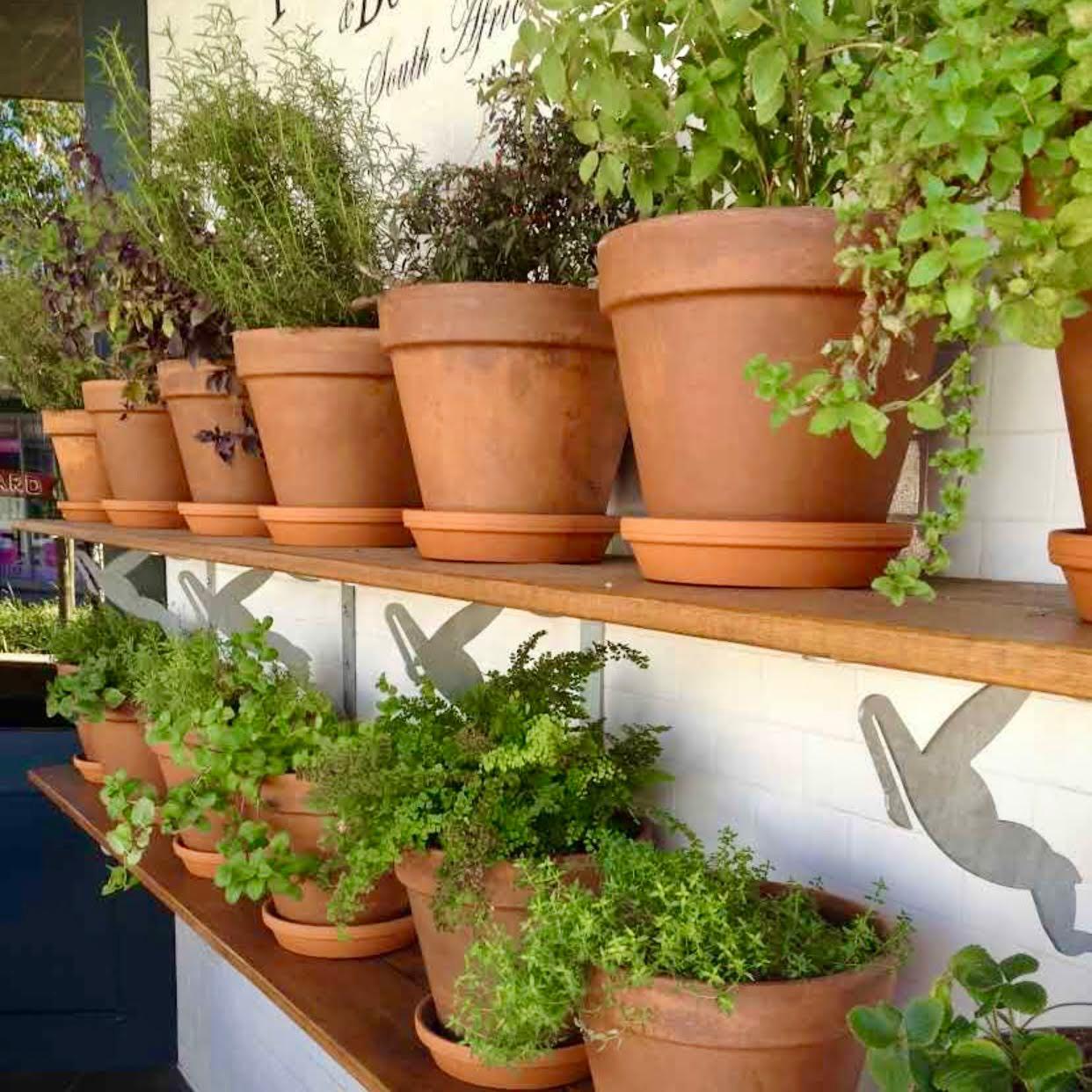
The easiest herbs to start with are the ones already growing in your garden or on your windowsill, because you know them well and you know what they taste like. Rosemary, mint, oregano and basil all dry well or infuse beautifully, and if you have room for a few more pots, lavender, chamomile, lemon balm and calendula are lovely additions that ask for very little care.
Only ever use a plant you can identify with complete certainty, and pick from plants that have not been sprayed with anything and do not grow beside a busy road. If you are ever unsure what a plant is, leave it where it is, since a pretty leaf is never worth the risk of a mistake.
Buying herbs and berries
Not everything in a home apothecary has to be grown at home, and a city garden, or no garden at all, should never keep anyone from beginning. Dried herbs and berries can be bought from reputable suppliers, and it is the easiest way to work with plants that will not grow where you live, or that your own garden cannot yet supply in quantity, such as the dried elderberries that top up my small harvest for elderberry and honey syrup. Fresh herbs bought at a farmers' market or straight from a farmer are another good way of stocking up, since you can dry or infuse a whole basketful without having to tend the growing plants yourself.
Look for herbs and berries that are sold for eating or brewing, from a supplier who gives you the plant's botanical name as well as its common name, so that you know exactly what you are buying. Good dried herbs still have their colour and a clear fragrance when you open the packet, and buying small amounts means you use them while they are at their best.
In South Africa, rooibos and honeybush are in almost every kitchen cupboard and make a wonderful base for your own tea blends. The Cape's buchu is another fynbos plant with a long history, but wild harvesting is regulated, so it is best bought from growers and suppliers who know it rather than picked on a walk.
Drying herbs in bundles
Drying is the simplest way to keep herbs, and it needs nothing more than a piece of string and a shady spot with good air around it. Gather the stems into small bundles so that the air can reach the middle, and tie them firmly, since the stems shrink as they dry. Hang the bundles upside down somewhere out of direct sunlight, which fades both the colour and the fragrance.
In a dry inland climate a bundle of herbs can be ready in a week or so, while in a humid place by the sea it may take a good deal longer. The herbs are ready when the leaves crumble between your fingers and the stems snap rather than bend. Strip the leaves into a clean, dry jar, close it tightly and keep it away from the light, and use them within a year, while they still smell of the garden.
In my own kitchen a branch of driftwood hangs from a beam, with butcher's hooks along it to hold the individual bundles. All through the summer the different herbs hang there, and I love how they make the kitchen smell and look.
Infusing oils and honey
An infused oil carries the fragrance of a herb into something you can use in the kitchen or in a simple balm for your hands. Use dried herbs rather than fresh, because the water in fresh leaves can make the oil spoil, and keep fresh garlic out of oils altogether unless they are kept in the fridge and used within a few days.
- Fill a clean, dry jar about halfway with dried herbs.
- Pour over a mild oil, such as olive or sunflower oil, until the herbs are covered by a few centimetres.
- Close the jar and keep it somewhere cool and dark, giving it a gentle shake every few days.
- After two to four weeks, strain the oil through a fine sieve lined with muslin into a clean bottle.
- Label it with the herb and the date.
A rosemary oil is wonderful over roast potatoes or for dipping bread, and a calendula oil makes a gentle base for a simple hand balm. If you use an oil on your skin, try a little on the inside of your arm first to make sure it agrees with you.
Alongside the oils I like to make a bottle or two of infused honey in the same way, with dried herbs stirred into good honey and left to steep. Thyme or lavender honey tastes wonderful over pancakes or stirred into a cup of tea, though, like any honey, it should never be given to a baby under a year old.
Brewing your own herbal teas
A tea blend is one of the most rewarding things a home apothecary can make, and it is a lovely way to use the herbs you have dried. Dried mint and lemon balm make a fresh, bright cup on their own, and either of them is delicious mixed into rooibos or honeybush with a strip of dried orange peel. Mix small amounts and write down what went into each blend, so that you can adjust it until it tastes exactly the way you like it.
I once mixed a bottle of herbal tea for my sister, with honeybush, chamomile, mint, dried lemon peel, lemon balm and lemon verbena in it. It has since become known as Rosemary Road tea and is much loved by her and her friends, which is about the nicest thing that can happen to a jar of dried leaves.
Label everything and be patient
Every jar and bottle in a home apothecary deserves a label with:
- the plant's name
- everything that went into it
- the date you made it
- how you mean to use it
A shelf of unlabelled jars quickly becomes a guessing game, and a clear label means anyone you share with can decide for themselves whether something suits them.
Patience is the other great ingredient, since almost nothing in the apothecary is ready on the day you make it, and the waiting is part of its charm, because the work is done in a few short moments and the rest is left quietly to time.
For your own household
Everything here is meant for your own home and the people you share with. Making herbal products to sell is a different matter altogether, with its own rules about labelling, packaging, safety and the claims you may make, so if that is where your apothecary leads you, find out what applies where you live before you begin.
Your own kitchen apothecary recipes can be kept in the kitchen section of The Slowsteader app, inside a dedicated recipe book of their own, and you will find my elderberry and honey syrup in my letter A Cupboard of Small Comforts.
Herbs can affect people in different ways and some can interact with medicines, so please check with a health professional before using any herb regularly, especially if you are pregnant or breastfeeding, take medication, have a health condition or are making something for children.
Something small to start with
Cut a small bundle of one herb you already cook with, tie it with string and hang it somewhere shady and airy in your kitchen. When the leaves crumble between your fingers, strip them into a clean jar, label it with the name and the date, and enjoy the first jar in your own home apothecary.