
Good Neighbours in the Vegetable Bed
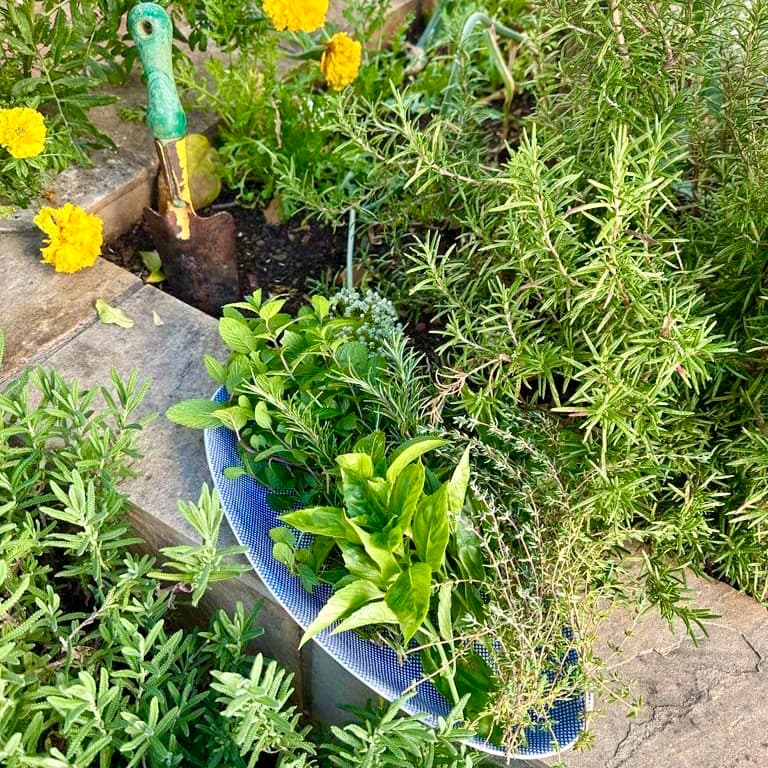
In the vegetable beds at Rosemary Road a tomato plant seldom grows on its own, since there is usually a marigold or a nasturtium somewhere close by, and a few leaves of basil tucked in wherever there is a gap. It has become such a habit that a bed with only one kind of plant in it now looks a little lonely to me, a bit like a long table set for a single guest.
The plants that quietly look after each other, and how to bring them together in your own garden or a few pots
In the vegetable beds at Rosemary Road a tomato plant seldom grows on its own, since there is usually a marigold or a nasturtium somewhere close by, and a few leaves of basil tucked in wherever there is a gap. It has become such a habit that a bed with only one kind of plant in it now looks a little lonely to me, a bit like a long table set for a single guest.
Companion planting is simply the practice of growing plants next to the neighbours that help them along, and keeping apart the ones that would rather not share. Gardeners have been doing it for as long as there have been gardens, and while some pairings are well understood, others rest mostly on generations of gardeners noticing the same thing year after year. I find that rather lovely, because it means your own beds can teach you as much as any chart, provided you keep your eyes open.
I have never believed in a formula for slowsteading, and I do not believe in one for the vegetable garden either, so please read what follows as a handful of good starting points rather than a set of rules.
Why neighbours matter in a small garden
In a big garden there is room for things to go wrong in one corner while another corner thrives. In a small city garden, or on a balcony with a few pots, every plant has to earn its place, and good neighbours help each one do exactly that.
A bed of mixed vegetables with flowers among them is far less of a banquet for pests than a long row of a single crop, since the insects that love one plant have to work much harder to find the next one. The flowers bring in hoverflies and ladybirds, which are among the best friends a vegetable garden can have, because their young eat aphids by the hundred. Some neighbours share the ground politely too, with a shallow-rooted herb growing happily at the feet of a taller plant that roots more deeply.
You may have heard of the three sisters, a way of planting that comes from the Indigenous farmers of North America, where maize is grown with climbing beans while pumpkins sprawl at their feet. It is the planting I have cleared a raised bed for at Rosemary Road, because each of the sisters does something for the others. The beans use the tall maize stalks as their climbing frame, and the big pumpkin leaves shade the ground and keep the soil cool while the other two grow.
Some good neighbours to begin with
If you are new to companion planting, these are the pairings I would suggest starting with, since they are forgiving and most of them are pretty as well as useful.
- Marigolds near tomatoes and beans. French marigolds are thought to discourage some of the pests that live in the soil, and their flowers bring in useful insects. Even if they did nothing else, a row of orange among the green lifts the whole bed.
- Nasturtiums at the edge of the bed. Aphids love nasturtiums, which is exactly the point, because they will often gather there rather than on your vegetables. The leaves and flowers are edible too, with a peppery bite that brightens up a salad. I pickle the green seed pods as nasturtium capers, which is the reason I now plant as many nasturtiums as I can every summer.
- Basil among the tomatoes. The two enjoy the same sun and the same watering, and since they end up on the same plate, it is very convenient to pick them from the same bed.
- Beans before leafy greens. Beans and peas leave the soil a little richer than they found it, thanks to the bacteria living on their roots, so a bed where beans have grown is a good home for spinach and other leafy crops afterwards.
- Flowering herbs anywhere you can fit them. Let a little dill or coriander go to flower and you will find the bees and hoverflies arriving almost at once.
And a few who would rather not share
Just as some plants do well together, a few are better kept apart, and it saves a great deal of disappointment to know them before you plant.
- Fennel prefers a corner of its own, since it tends to hold back most of the plants that grow near it.
- Beans and onions have long been kept apart by gardeners, as the onion family seems to slow the beans down.
- Potatoes and tomatoes are close relatives and share several of the same diseases, so it is wise to give them some distance, and not to plant one where the other grew the season before.
- Sprawling squash and small seedlings do not mix, because a pumpkin vine on the move will smother anything low in its path.
I have made many mistakes in the garden over the years, and last year's tomatoes were among the most miserable of them. They looked sorry for themselves through the whole summer, and it turned out in the end that they simply did not appreciate their potato neighbours.
Let your own bed teach you
Charts are useful, but the best companion planting knowledge you will ever have is what you notice in your own garden. Your soil and the insects in your neighbourhood are not quite like anyone else's, so a pairing that works beautifully in one garden may do very little in another.
I find it helps to keep a simple record of what went in next to what, and to jot down a line whenever something surprises me, whether it is a bed that thrived beyond all expectation or one that sulked for no reason I could see. Over a few seasons the notes begin to show patterns that no book could have told me.
Most of what I know about companions I have learnt through not using pest control at all, since an unsprayed bed shows you very quickly which plants look after each other and which are left to fend for themselves. An organic garden also gives a great deal back to nature, and I am not overly concerned by small pests in mine, because a nibbled leaf here and there is a small price for the birds and insects that the garden brings in.
If you would like a chart to start from, my free companion planting guide is in the downloads on the website, and the companion planting page in The Slowsteader app lets you check a pairing while you stand at the bed, and keep your own garden notes and photographs alongside it.
Something small to start with
Choose one vegetable you already grow, or would like to grow, and plant a single flowering companion beside it, a marigold next to a tomato or a pot of nasturtiums beside a pot of beans. Then spend a few minutes with it every now and again, simply watching who comes to visit. You may be surprised at how quickly a small corner fills with life once it has good company.
Which plants in your garden seem to do better for the company they keep? Tell me in the comments, because I am always looking for a new pairing to try.