
Animals on a City Slowstead
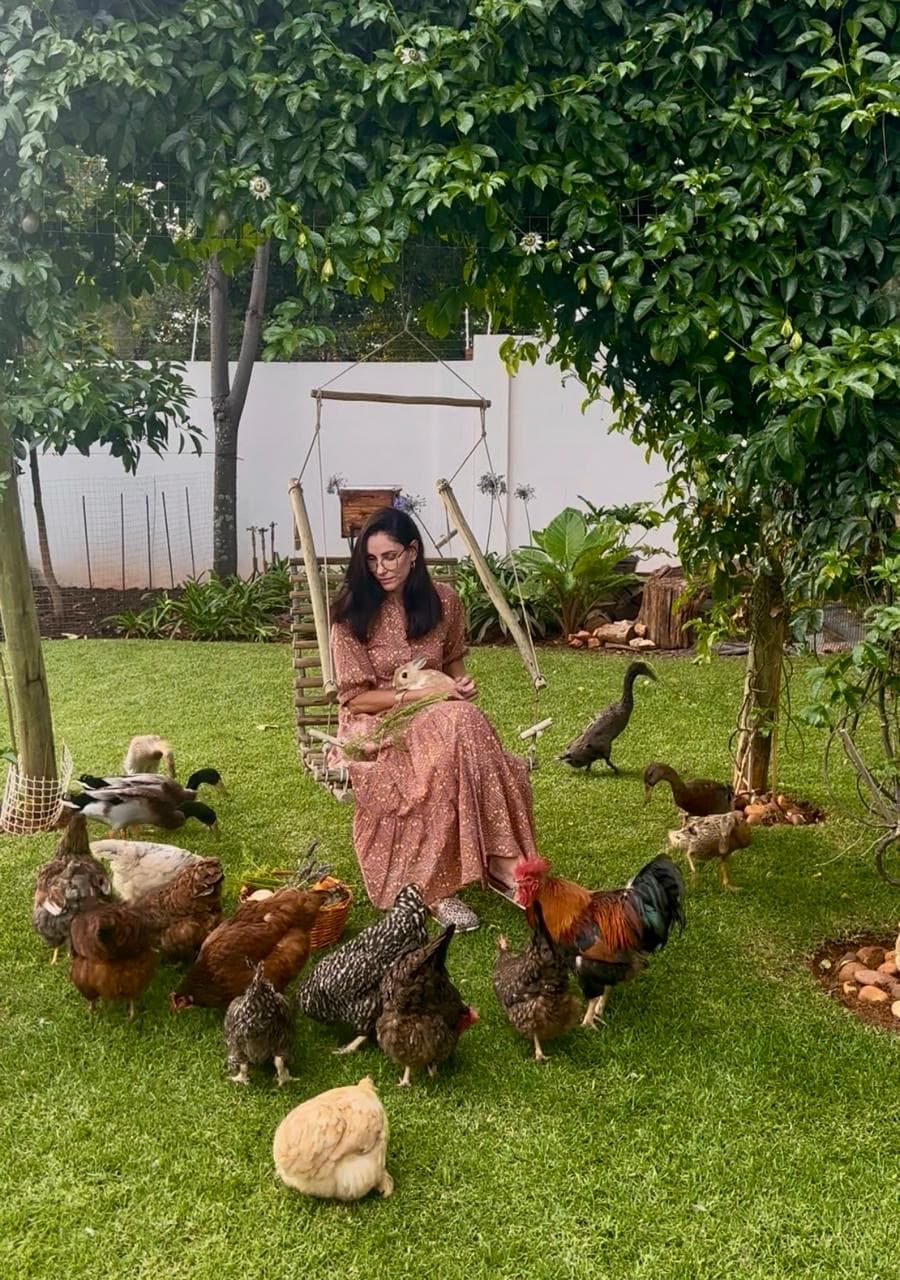
At Rosemary Road the day is shaped as much by the animals as by anything else. A few hens and a small flock of ducks have the run of the garden, while our three angora rabbits give me their soft hair for spinning. Animals bring more life to a slowstead than almost anything else I know, and they also bring more responsibility, which is exactly why I would never encourage anyone to rush into keeping them.
Starting with what your space and your household can carry
At Rosemary Road the day is shaped as much by the animals as by anything else. A few hens and a small flock of ducks have the run of the garden, while our three angora rabbits give me their soft hair for spinning. Animals bring more life to a slowstead than almost anything else I know, and they also bring more responsibility, which is exactly why I would never encourage anyone to rush into keeping them.
This is not a guide to any particular animal, since there are far better sources for the details of keeping hens or rabbits than a blog about slowsteading. What I would like to share is the thinking I wish I had done before each new creature arrived, so that the animals you choose become a joy to your household rather than a weight on it.
Begin with the rules
Before you fall in love with a breed, find out what your town or city allows. Many cities limit the number of poultry you may keep on a residential property, and a good number do not allow roosters at all, because a crowing rooster at dawn is not everyone's idea of country charm. At Rosemary Road we keep to a few hens and a small flock of ducks, which sits within what our municipality allows. If you rent, or live in a complex with a body corporate, there may be rules of its own, and it is far easier to ask first than to rehome a much-loved animal later.
Once the hens have settled in, the eggs bring a delight that reaches well beyond your own kitchen. Family and friends are always thrilled when a box of fresh eggs comes their way, and sharing them has become one of my favourite parts of keeping hens at Rosemary Road.
My hens lay eggs in different colours, since I chose each breed for how pretty its eggs would be. The Easter Egger lays a light blue egg and the Copper Marans a chocolate-coloured one, but my favourite is still the beautiful white egg that Marilyn, our White Leghorn, produces.
Match the animal to your capacity
Capacity is one of the four elements of urban slowsteading, and nowhere does it matter more than with animals. A vegetable bed that is neglected for a fortnight will forgive you, but an animal cannot wait until you have more time.
Before bringing any animal home, it is worth sitting down with the whole household and asking a few honest questions. Who will feed and water it every day, including on the days that person is ill or simply exhausted? Who will look after it when the family goes away? Can you afford the feed and the occasional visit to the vet? Is there room for the animal to live well, and not merely to survive? It also helps to remember that many animals live a long time, so a hen may be part of the family well past her laying years, and a rabbit for many years after that.
We have the capacity to keep poultry at all because our capable and caring gardener looks after the animals whenever the family is away. Knowing they are in good hands is what lets the time at the coast be restful, and it is worth arranging that kind of help before the animals arrive rather than in the week before you leave.
Keep the vegetables and the animals apart
Chickens and ducks are delightful company in the garden, but they are enthusiastic and rough with vegetables, and young seedlings rarely survive a visit. At Rosemary Road the vegetables grow behind a fence and the birds roam freely on the other side of it, which suits everyone far better than my early hopes of a garden without fences.
The good news is that free-roaming birds can do wonderful things for the rest of the garden. Our ducks were given the run of the lawn, and the tired, patchy grass slowly came back to life under their busy feet, as they foraged for insects and fertilised as they went.
Let the animals close the circle
The real gift of animals on a slowstead is the way they connect the kitchen to the garden. Kitchen and garden scraps go to the animals, and what the animals give back goes into the compost, which in turn feeds the beds that produce the next round of scraps.
A word of caution, though, since not all manure is the same. Chicken manure is very strong and needs to be composted well before it goes anywhere near your plants, while rabbit droppings are much gentler and are often used straight on the beds. Bedding such as straw or wood shavings can go onto the compost heap along with the droppings.
At Rosemary Road we have designated compost heaps that are turned regularly, and the hens love to forage there whenever they are out free-ranging. Most of the vegetable cuttings go straight to the chicken coop instead, where they become part of the next batch of eggs.
If animals are not for you yet
Not every household has the space or the capacity for animals, and that is perfectly fine. Your slowstead is no less a slowstead without a single chicken in it.
There are gentler ways to bring animal life into your home. A bird bath or a feeder outside a kitchen window brings the same visitors back day after day, and a pot of flowering herbs on a balcony will soon fill with bees. At Rosemary Road a bee hotel sits against the trunk of the white stinkwood, facing the rising sun, and it is a quiet joy to watch the solitary bees come and go. A worm bin under the sink or on the balcony turns vegetable peelings into rich compost, and the worms ask very little of you in return. If you would like a pet, a single animal that suits your space and your daily rhythm is worth far more than a menagerie you cannot manage.
Something small to start with
Set out a shallow bowl of fresh water in your garden or on your balcony, or plant a single pot of flowering herbs, and keep an eye on it for a while. Notice who comes to visit, and when, and let yourself enjoy getting to know the creatures who already share your space before you invite any new ones in.
What animals share your home or your garden, whether you chose them or they simply arrived? Tell me in the comments, because I love hearing about the creatures on other people's slowsteads.